








What this training is
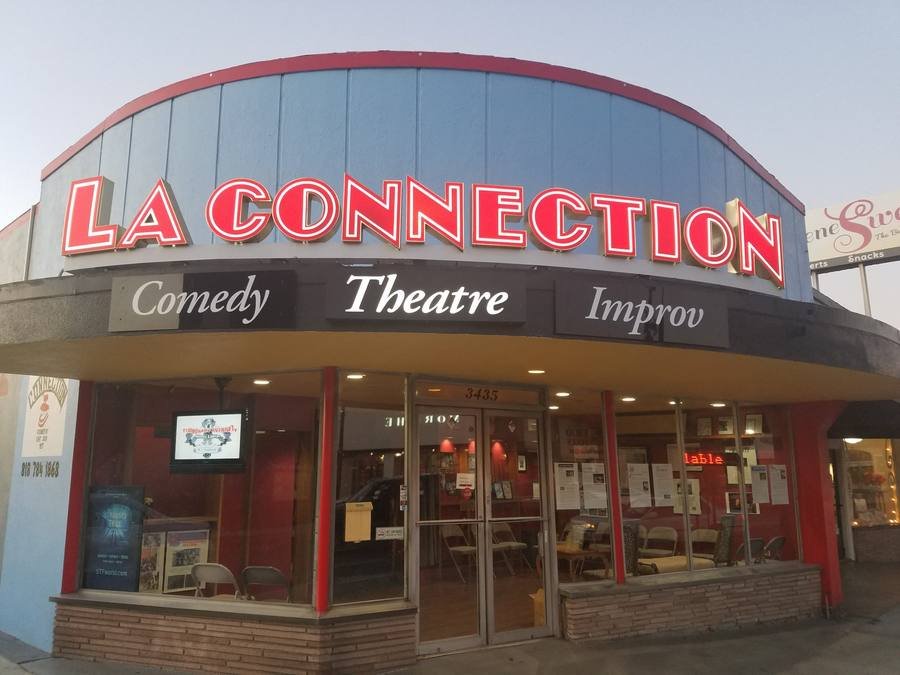
The curriculum starts with agreement and listening games, moves into two-person scene work, and then into long-form structures where a suggestion generates a full set. The larger LA schools run tracks that end in performance teams, and advancement past a certain point is usually gated by a placement audition rather than by paying for the next class. Sketch writing is often taught as a parallel track.
Who it suits
Complete beginners, because level one genuinely assumes nothing, and screen actors who want faster instincts and less self-monitoring. It is also the most social form of training in the city, which matters more than it sounds when you are new here.
What these listings show
Counted from the verified records on this page when the site was last built, on 2026-08-15.
- Published pricing. 30 of 45 publish enough pricing to place them in a band: $ (13), $$ (13), $$$ (3), $$$$ (1). The other 15 do not publish rates, so you have to ask.
- Audit or trial. 17 of these 45 offer an audit or a trial class, which is the cheapest way to judge a teacher before committing.
- Audition required. 4 require an audition or placement before you can enroll, so plan for a step before the first class.
- Levels. 43 accept complete beginners and 42 run advanced work (96% and 93% of this list).
- Private coaching. 32 also offer one-to-one coaching alongside classes.
- Young actors. 27 of these serve kids or teens as well as adults.
- Where they are. Concentrated in North Hollywood and Studio City (10), Hollywood and Mid-City (9), Santa Monica and the Westside (8), across 9 areas of Los Angeles in total.
- Techniques taught. Most commonly Eclectic / multi-technique (27), Improv and sketch (25), On-camera technique (11).
- How established. 31 publish a founding year, the earliest 1947 and the most recent 2015.
How to compare them
Find out where the ladder stops being open enrollment, since that is where the real commitment and cost begin. Ask how full a section runs, because improv is one of the formats where class size directly determines how much you play. Check whether the school has a stage of its own: programs attached to a working theater give students somewhere to perform.