



What this training is
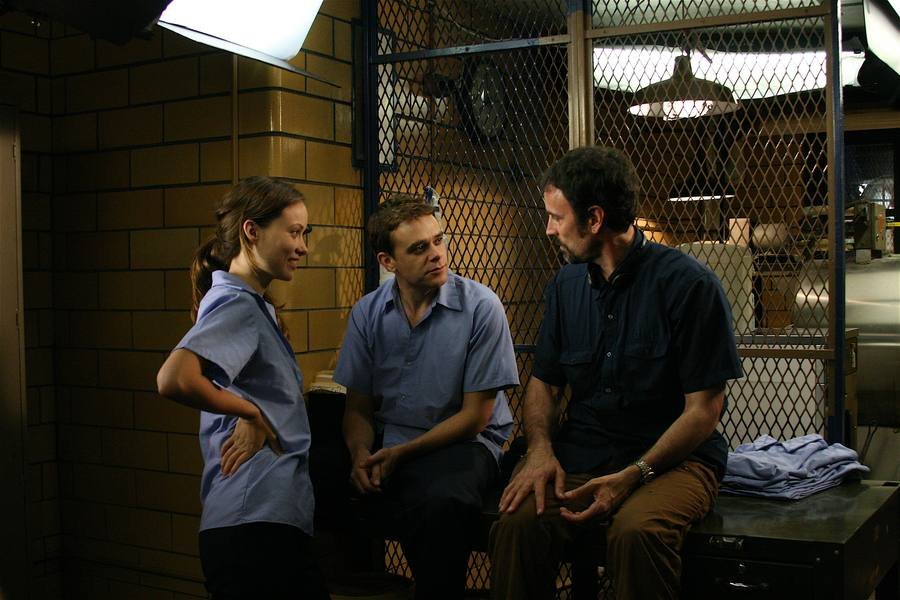
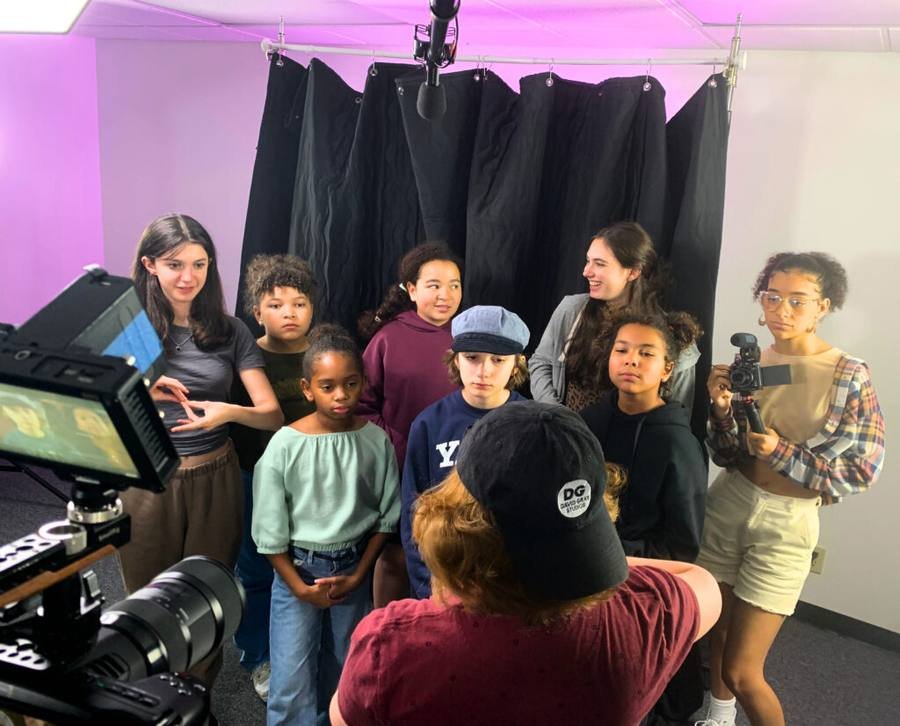
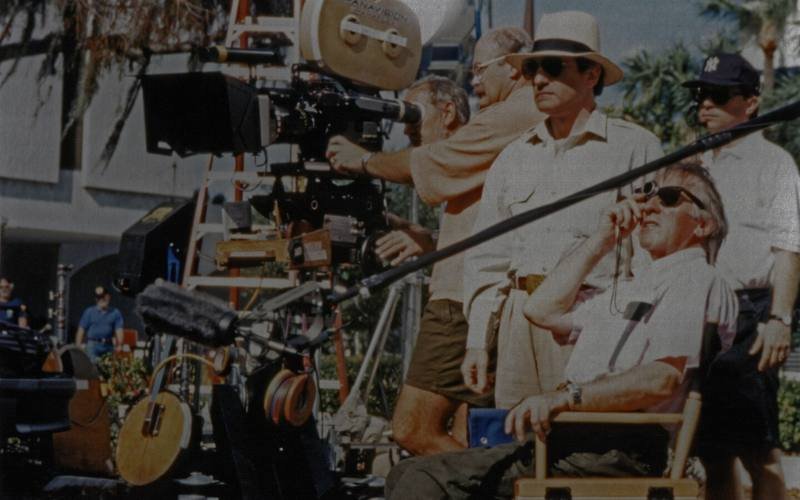
The defining feature is the monitor. You perform, the class watches the footage back, and the correction is made against the frame: how much you were doing, where your eyes went, whether the size of the performance matched the shot. Formats range from single-camera setups in a small studio to rooms built to resemble a set with marks and a crew. Many LA studios fold self-tape technique into the same class because the two skills overlap.
Who it suits
Anyone working toward film and television, and anyone whose stage training has not yet been translated to screen. Actors with theater backgrounds tend to find this the fastest correction available, because the camera is unambiguous about scale in a way a director's note is not.
What these listings show
Counted from the verified records on this page when the site was last built, on 2026-08-15.
- Published pricing. 40 of 55 publish enough pricing to place them in a band: $ (12), $$ (20), $$$ (4), $$$$ (4). The other 15 do not publish rates, so you have to ask.
- Audit or trial. 21 of these 55 offer an audit or a trial class, which is the cheapest way to judge a teacher before committing.
- Audition required. 9 require an audition or placement before you can enroll, so plan for a step before the first class.
- Levels. 47 accept complete beginners and 46 run advanced work (85% and 84% of this list).
- Private coaching. 39 also offer one-to-one coaching alongside classes.
- Young actors. 28 of these serve kids or teens as well as adults.
- Where they are. Concentrated in Hollywood and Mid-City (16), North Hollywood and Studio City (15), Burbank and Glendale (8), across 9 areas of Los Angeles in total.
- Techniques taught. Most commonly Eclectic / multi-technique (34), On-camera technique (23), Meisner (15).
- How established. 36 publish a founding year, the earliest 1911 and the most recent 2013.
How to compare them
Confirm you actually get playback and that you leave with your footage, since some classes shoot and never return the file. Ask how many people share the camera in a session. Ask what the equipment is: a class shot on a phone at a wide angle is teaching you something different from a class shot on a proper lens at the framing a casting director will see.