






















What this training is
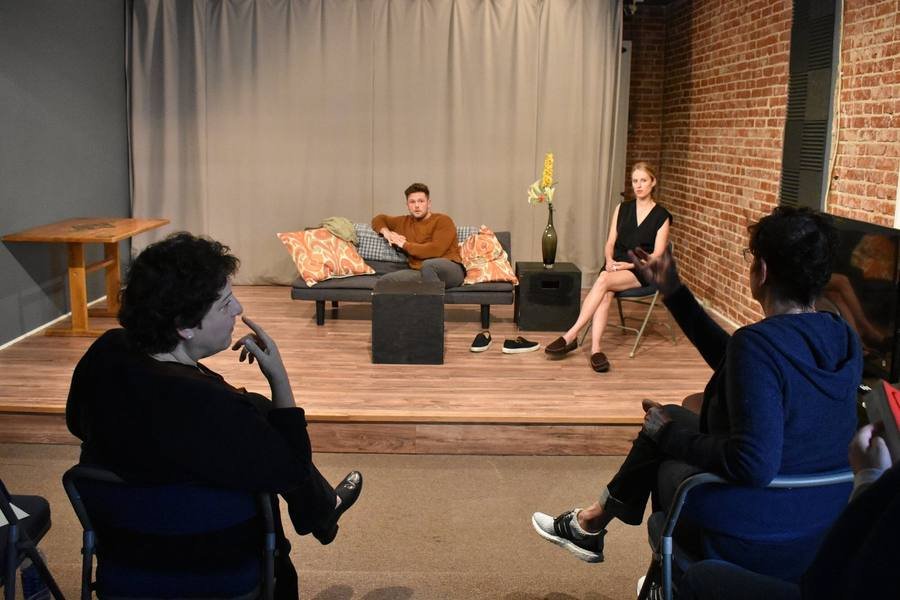
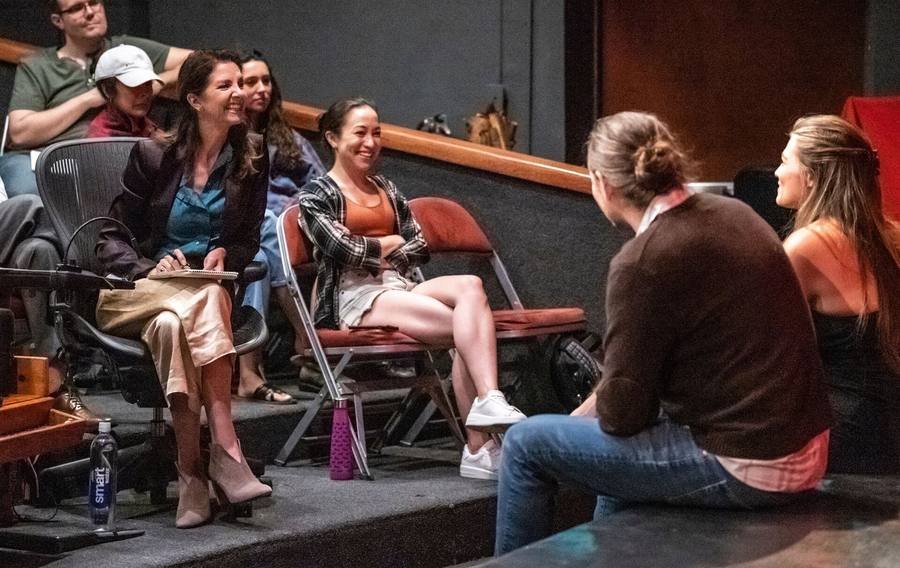
A scene study class is an ongoing workshop rather than a course with an end date. Most LA studios run them in continuing sections that you stay in for months or years, paying by the month or by a block of sessions. The work is the same each week in shape: scenes are cast, partners rehearse on their own time, and the teacher gives notes in front of the room after each presentation. What varies between studios is the material, the size of the room, how often you actually get up, and how the notes are delivered.
Who it suits
Actors who already have some foundation and want steady reps rather than a curriculum. If you have never acted before, most studios will route you into a fundamentals or technique class first and then move you into scene study. It is also the format working actors return to between jobs, which is why so many LA sections are mixed in experience level.
What these listings show
Counted from the verified records on this page when the site was last built, on 2026-08-15.
- Published pricing. 52 of 73 publish enough pricing to place them in a band: $ (17), $$ (28), $$$ (3), $$$$ (4). The other 21 do not publish rates, so you have to ask.
- Audit or trial. 25 of these 73 offer an audit or a trial class, which is the cheapest way to judge a teacher before committing.
- Audition required. 10 require an audition or placement before you can enroll, so plan for a step before the first class.
- Levels. 63 accept complete beginners and 62 run advanced work (86% and 85% of this list).
- Private coaching. 49 also offer one-to-one coaching alongside classes.
- Young actors. 33 of these serve kids or teens as well as adults.
- Where they are. Concentrated in North Hollywood and Studio City (19), Hollywood and Mid-City (18), Santa Monica and the Westside (9), across 11 areas of Los Angeles in total.
- Techniques taught. Most commonly Eclectic / multi-technique (45), On-camera technique (19), Meisner (19).
- How established. 48 publish a founding year, the earliest 1911 and the most recent 2019.
How to compare them
Ask how many times per month you will actually perform, not how often the class meets. In a large section you can pay for a month and get up twice. Ask whether outside rehearsal is expected, since that is unpaid time you have to schedule with a partner. Ask whether you can audit, and if not, why not. And watch how the teacher gives a note to someone else in the room: you are buying that person's judgment repeatedly, so it should be specific and about the work.